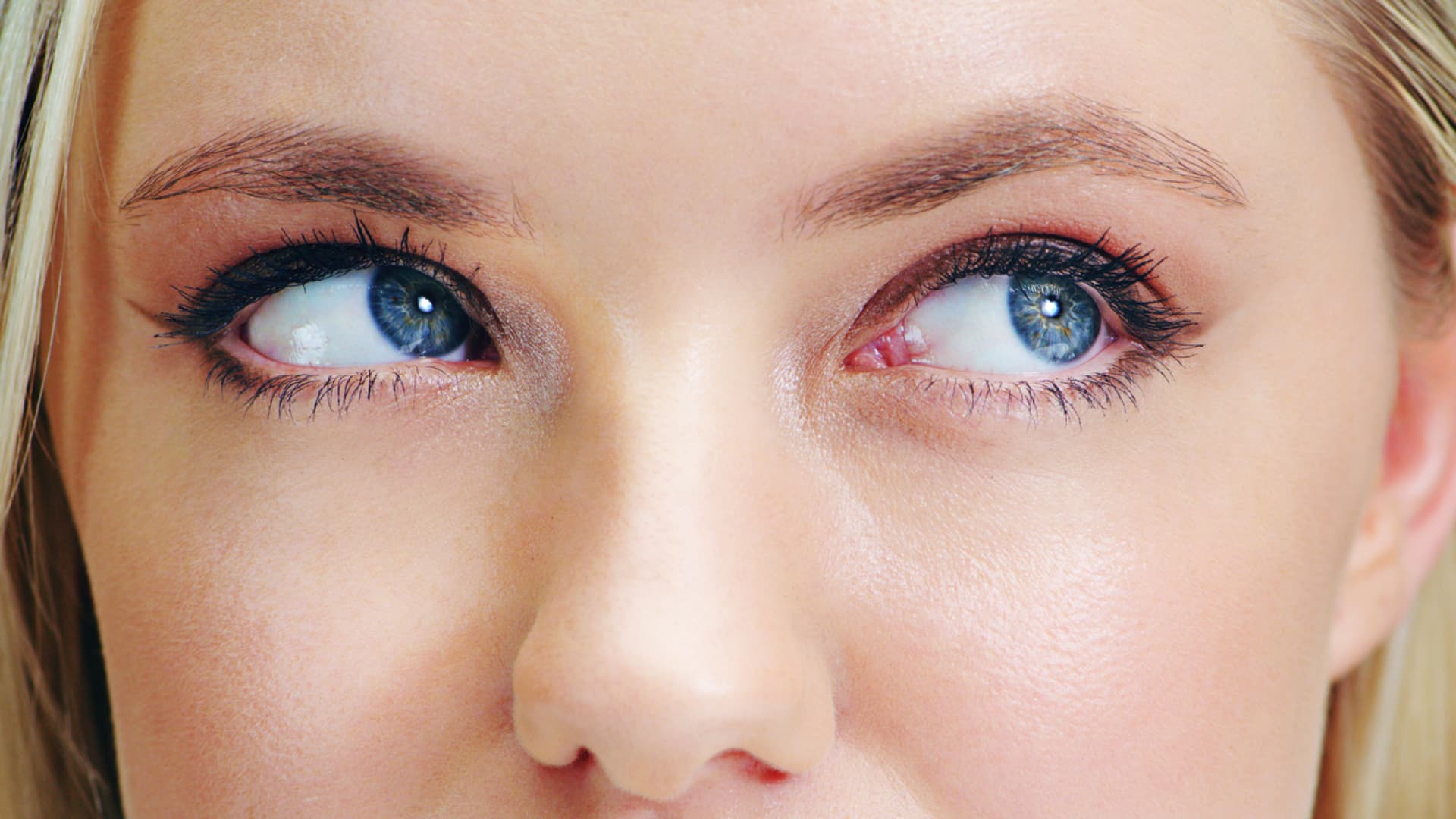
Stress, Sleep & Magnesium: Deciphering Your Eyelid Twitch Causes
That familiar, fluttering sensation in your eyelid – a tiny, involuntary dance that can range from mildly annoying to downright distracting. If you've experienced it, you're not alone. Eyelid twitching, medically known as myokymia or lid flattern, is a remarkably common phenomenon that most people encounter at some point in their lives. While typically harmless and temporary, it can be unsettling and prompt questions about its origins. Is it just a sign of a long day, or something more? This article delves into the common culprits behind eyelid twitches, with a special focus on the interconnected roles of stress, sleep, and a crucial mineral: magnesium. We'll also explore when these subtle movements might hint at something more significant, such as an underlying neurological condition.
What Exactly is Eyelid Myokymia?
At its core, eyelid twitching is an unprompted, repetitive contraction of the tiny muscles around your eye. Specifically, it often involves the orbicularis oculi muscle, which encircles the eye, and sometimes the levator palpebrae, responsible for lifting the eyelid. These contractions can occur intermittently – sometimes every few minutes, other times in rapid succession every few seconds. Most often, only one eye is affected, though in rare cases, both can twitch simultaneously.
For the individual experiencing it, the sensation might feel like an intense, irregular pulse or even a continuous vibration under the skin. Curiously, while it feels quite pronounced to you, the actual twitching is usually subtle and barely visible to others, appearing as a fine tremor beneath the skin's surface. Understanding this distinction can often provide immediate reassurance, as it separates benign myokymia from more noticeable, persistent spasms that might indicate a different issue. For more general insights into why your eyelid might be twitching, explore Eyelid Twitching: Uncover Common Causes and Find Lasting Relief.
The Usual Suspects: Lifestyle Factors Behind Your Eyelid Twitches
The vast majority of eyelid twitches stem from everyday lifestyle factors. These are often transient and resolve on their own once the underlying cause is addressed. Here are the most frequent culprits:
1. Stress and Inner Tension: The Body's Alarm System
In our fast-paced world, stress is an almost ubiquitous experience, and it's perhaps the most common trigger for eyelid myokymia. When under stress, your nervous system goes into overdrive, becoming hypersensitive. This heightened state can lead to faster signal transmission within the nerves, increasing the likelihood of involuntary muscle contractions, including those in your delicate eyelid muscles. Think of it as your body's subtle way of signaling that it's feeling the pressure. Chronic stress can deplete essential nutrients and keep your muscles in a state of tension, making twitches more frequent and persistent.
2. Sleep Deprivation: When Your Nerves Need a Break
Adequate sleep is fundamental for the regeneration and repair of your entire nervous system. When you skimp on sleep, your nerves become fatigued and overtaxed. This exhaustion can make them more prone to misfiring, leading to muscle spasms and twitches. Just as your body feels sluggish and your mind foggy after a poor night's sleep, your nervous system struggles to function optimally, making involuntary muscle movements more probable.
3. Eye Strain and Dry Eyes: Overworked Optics
In our digital age, prolonged screen time is a major contributor to eye strain. Staring at computers, smartphones, and tablets without sufficient breaks can overwork the intricate muscles around your eyes. This constant focus can also lead to reduced blinking, causing dry eyes. Dryness, irritation from contact lenses, or even environmental factors like drafts can all irritate the eye and its surrounding muscles, triggering twitches. Regular breaks (the 20-20-20 rule: every 20 minutes, look at something 20 feet away for 20 seconds), proper lighting, and artificial tears can often bring significant relief.
4. Electrolyte Imbalance and Magnesium Deficiency: The Unsung Hero
The smooth functioning of your muscles and nerves relies heavily on a delicate balance of electrolytes, particularly magnesium, potassium, calcium, and sodium. Intense sweating, insufficient hydration, or an unbalanced diet can disrupt this balance. Magnesium, in particular, plays a critical role in nerve impulse transmission and muscle contraction and relaxation. A deficiency in this vital mineral can lead to increased nerve excitability and muscle cramps or twitches, making it a key factor in eyelid myokymia. Magnesium-rich foods include leafy greens, nuts, seeds, whole grains, and dark chocolate. While supplementation can be helpful, it's always wise to consult a healthcare professional before starting any new supplement regimen.
5. Stimulants, Alcohol, and Diet: What You Consume Matters
What you put into your body can also influence your eyelid muscles. Stimulants like caffeine (coffee, energy drinks) and nicotine can rev up your nervous system, making it more prone to twitching. Alcohol, while initially a depressant, can disrupt sleep patterns and lead to dehydration and electrolyte imbalances, contributing to twitches. Furthermore, an unbalanced diet lacking essential nutrients, beyond just magnesium, can also impact nerve and muscle health.
6. Medications: A Side Effect to Note
Occasionally, certain medications can have muscle twitching as a known side effect. This includes some asthma medications, decongestants, and even some antidepressants. If you suspect a medication might be the cause, discuss it with your doctor; never stop a prescribed medication without medical advice.
When to Worry: Rare Neurological Causes and When to See a Doctor
While the vast majority of eyelid twitches are benign and self-limiting, it's important to be aware that in rare instances, persistent or accompanied eyelid movements can be a symptom of a more significant underlying condition. When we consider the main keyword Augenlid Zuckt Neurologische Erkrankung (eyelid twitch neurological disease), it brings into focus these less common, but more serious, possibilities.
True neurological conditions that can cause eyelid spasms differ significantly from benign myokymia. These conditions typically involve more pronounced, widespread, and persistent muscle movements. Examples include:
- Blepharospasm: This is a neurological disorder characterized by involuntary, forceful contractions of the muscles around the eyes, leading to excessive blinking and eye closure. Unlike myokymia, blepharospasm often affects both eyes and can be severe enough to cause functional blindness.
- Hemifacial Spasm: This condition involves involuntary twitching or spasms on one side of the face, including the eyelid. It's often caused by a blood vessel pressing on the facial nerve.
- Other rare neurological disorders that can present with facial or eyelid involvement include certain forms of dystonia or multiple sclerosis, though these would almost always be accompanied by other, more significant symptoms.
It's crucial to understand that these conditions are rare, and benign myokymia is far more common. However, you should consult a doctor if your eyelid twitching:
- Persists for several weeks without improvement.
- Affects other parts of your face, causing twitching elsewhere.
- Causes your eyelid to droop significantly.
- Is accompanied by redness, swelling, or discharge from the eye.
- Leads to complete closure of the eyelid with each spasm.
- Is associated with vision changes or unusual weakness in your facial muscles.
These signs could indicate that the "Augenlid Zuckt" is not just an innocuous twitch but potentially a signal of a more complex neurological condition that warrants medical investigation. For a deeper understanding of when a twitch might be a warning sign, refer to Why Your Eyelid Twitches: Harmless Myokymia or a Warning Sign?.
Taking Control: Practical Tips for Relief
If your eyelid is twitching, start by addressing the most common triggers. Often, simple lifestyle adjustments can make a significant difference:
- Prioritize Sleep: Aim for 7-9 hours of quality sleep each night. Establish a consistent sleep schedule and create a relaxing bedtime routine.
- Manage Stress: Incorporate stress-reduction techniques into your daily life. This could include meditation, yoga, deep breathing exercises, spending time in nature, or engaging in hobbies you enjoy.
- Reduce Eye Strain: Follow the 20-20-20 rule for screen time. Ensure proper lighting, adjust screen brightness, and consider using blue light filters. If you wear contact lenses, ensure they are clean and not irritating your eyes. Use artificial tears if dry eyes are an issue.
- Boost Magnesium Intake: Incorporate magnesium-rich foods into your diet. If you suspect a deficiency, discuss magnesium supplements with your doctor. They can recommend an appropriate dosage and form.
- Limit Stimulants and Alcohol: Cut back on caffeine, nicotine, and alcohol, especially if you notice a correlation with your twitches.
- Stay Hydrated: Drink plenty of water throughout the day to support overall bodily functions and electrolyte balance.
- Balanced Diet: Ensure your diet is rich in fruits, vegetables, whole grains, and lean proteins to provide all essential nutrients.
Conclusion
An eyelid twitch, though an often unsettling experience, is usually your body's gentle nudge to pay attention to your well-being. More often than not, it's a transient symptom of common lifestyle factors like stress, sleep deprivation, eye strain, or a minor nutritional imbalance, particularly magnesium. By understanding these connections and implementing practical self-care strategies, you can often find relief and prevent future occurrences. While it's reassuring to know that a serious Augenlid Zuckt Neurologische Erkrankung is a rare cause, being aware of the warning signs and knowing when to consult a healthcare professional ensures you take appropriate action for your health and peace of mind.